Where should a company start if it wants to implement AI but does not know where it makes sense?
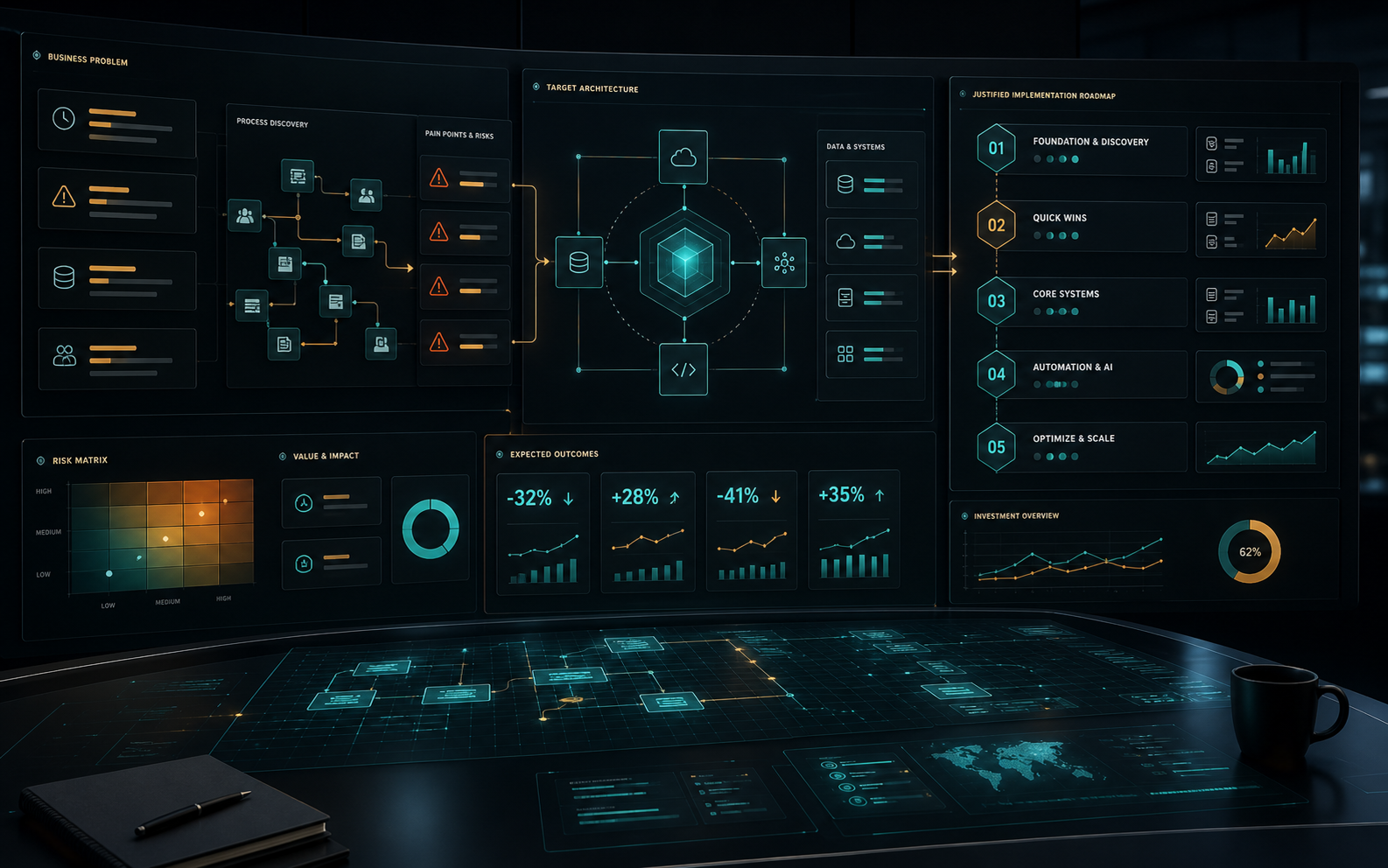
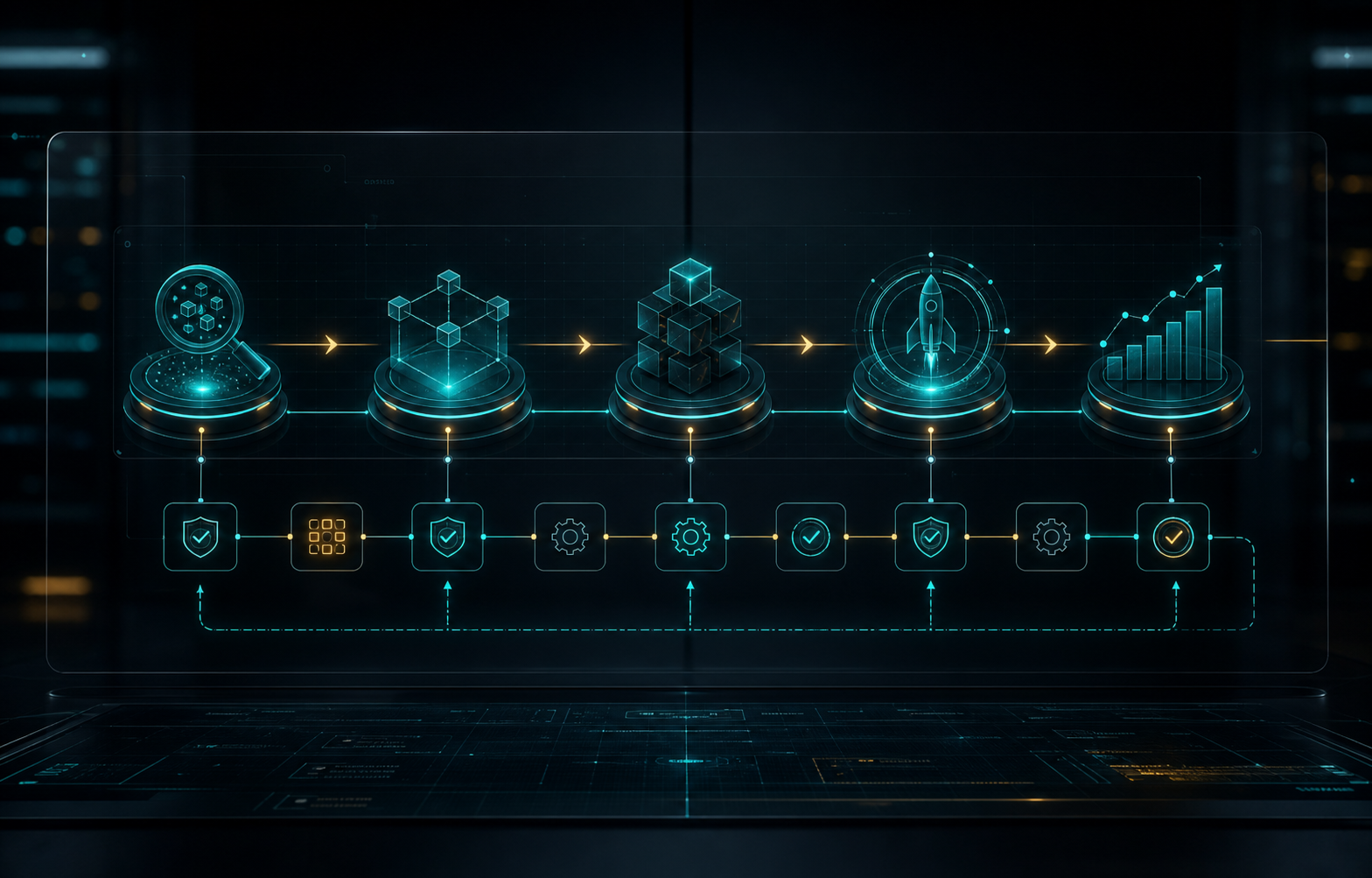
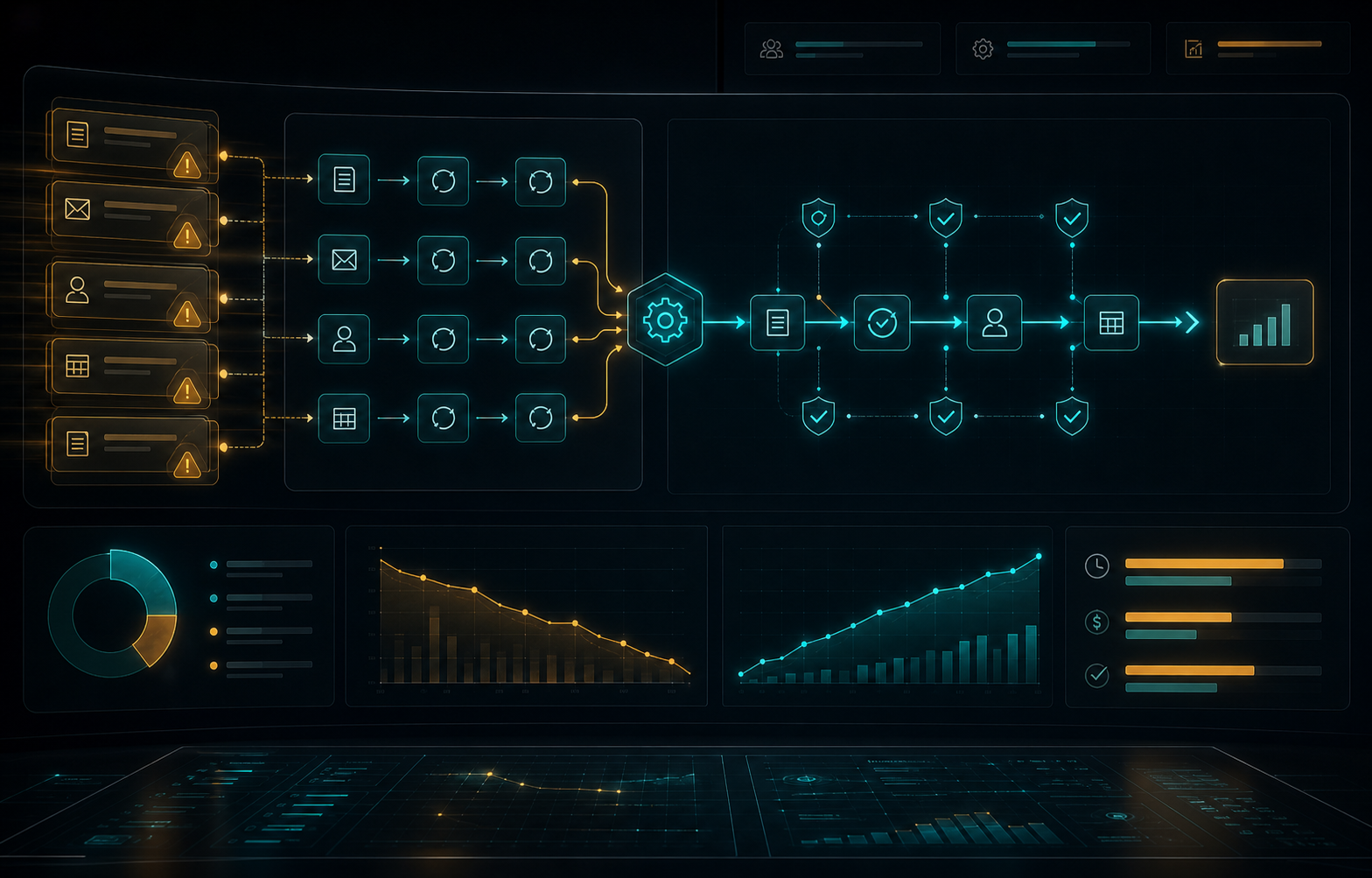
The best start is a short discovery: we select highly repeatable processes, check data availability, error risk, the need for human approval and potential KPI impact. Only then do we recommend an agent, automation, a classic system or no implementation.
How do you distinguish an AI demo from a production solution?
A demo shows model capabilities. Production requires permissions, logs, error handling, retries, monitoring, answer-quality tests, cost control, data security and clear rules for when a human takes over. We design that from the start.
Can you integrate AI with our CRM, ERP, email or documents?
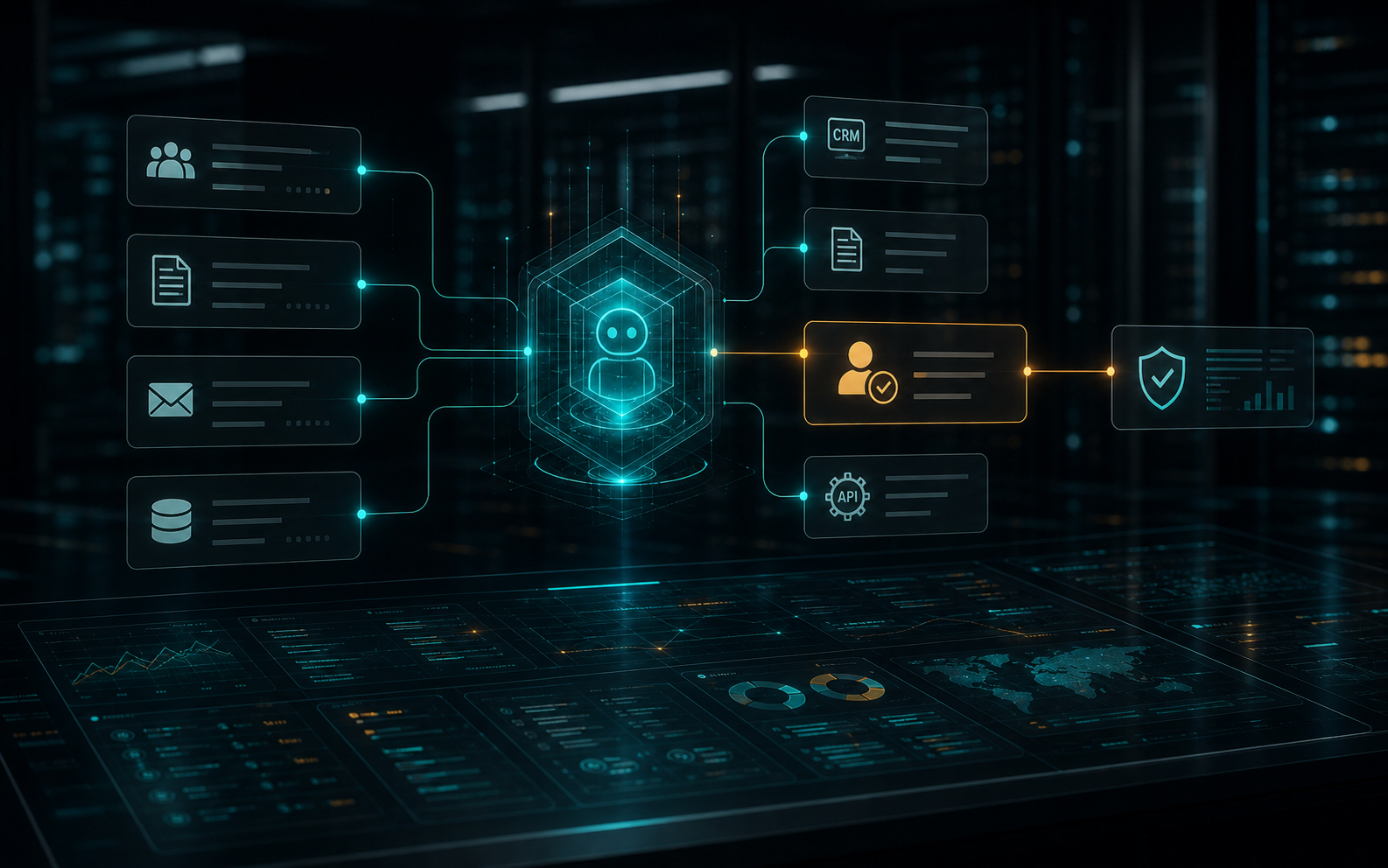
Yes, but first we define access boundaries and sources of truth. An agent can read documents, classify cases, prepare responses, create records, trigger workflows or generate reports, but high-risk actions should include approval and audit.
Do you build systems from scratch or modernize existing ones?
Both are possible. Often the best path is phased modernization: organizing data, exposing an API, adding an operational panel, automating a selected process and only later doing a larger legacy rebuild.
What does cooperation with a startup or investment project look like?
We help reduce first-version risk: defining the MVP scope, architecture, integrations, maintenance costs and elements that must be shown to an investor or partner. We can also run technology due diligence of an existing product.
Can you act as external CTO support?
Yes. In this mode we help evaluate technology decisions, supervise vendor quality, organize the backlog, run discovery, review architecture and translate technical consequences into board-level language.
How should automation ROI be measured?
Before implementation we define metrics: handling time, number of manual steps, error count, process cost, data quality, response time and team adoption. After launch, the solution should report these values, not merely "work".
What about data security with AI models?
You need to decide which data may be sent to a model, which must stay local, how to mask sensitive information, how to log actions, how to manage secrets and who approves operations. This is part of the architecture, not a post-launch add-on.
Can we start with a small pilot?
Yes. A good pilot has limited scope, real data, a clear KPI and a path to production. We avoid pilots that are only model presentations without integration, a process owner and a maintenance plan.
What do we receive after a technology audit?
A typical outcome is a risk map, architecture recommendations, change priorities, maintenance-cost assessment, a first-implementation proposal, a list of quick improvements and decisions that should not be postponed.