
RAG for companies and knowledge search
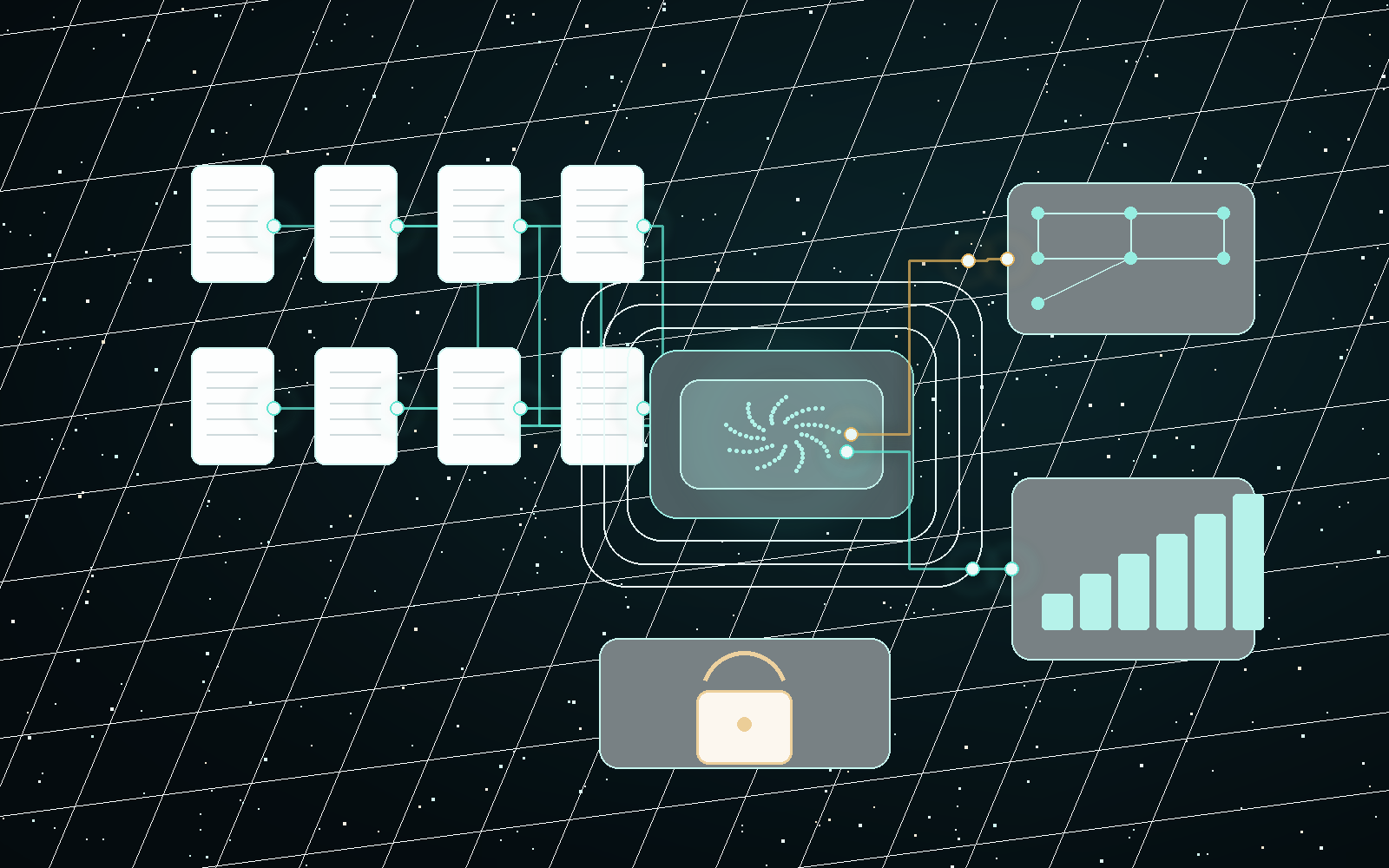
RAG lets AI answer from company documents, procedures, offers and case history. It requires order in sources, access rights and answer quality.
RAG for companies and knowledge search
Employees search for knowledge in many places and lose time checking the current document version.
AI answers without sources are hard to verify and do not build trust in company processes.
Documents have different formats, permissions, versions and owners, which makes stable deployment harder.
New employees take too long to learn procedures because knowledge lives in documents, decks, emails and expert memory.
Sales or support teams answer similar questions, but each time they manually search for current rules and exceptions.
The company worries that AI will hallucinate if it is not tied to specific sources and citations.
Technology with a business reason
- We organize knowledge sources, versioning, access rights and update rules before the index is created.
- We design the document pipeline: parsing, chunking, embeddings, retrieval, citations and answer quality control.
- We add query tests, relevance monitoring and a maintenance process so the knowledge base does not age after launch.
- We define which sources are official, which are archival, which are confidential and which must not be used in answers.
- We design the user experience: search, answer, citations, source filters, uncertainty messages and feedback.
- We measure not only whether an answer sounds good, but whether it points to the right source and respects document limitations.
What the scope can include
From first diagnosis to production growth. No unnecessary noise, with focus on results.
- 01 Knowledge inventory
- 02 Index design
- 03 RAG build
- 04 Relevance testing
- 05 Quality maintenance
Production, not a demo
RAG is trustworthy when the answer shows sources, respects permissions, admits uncertainty and has tests that check relevance on real questions.
Related articles
 RAG · 8 min
RAG and company knowledge search: how AI can work with company documents
What must be prepared so AI answers from company knowledge instead of generic guesses.
 Documents · 7 min
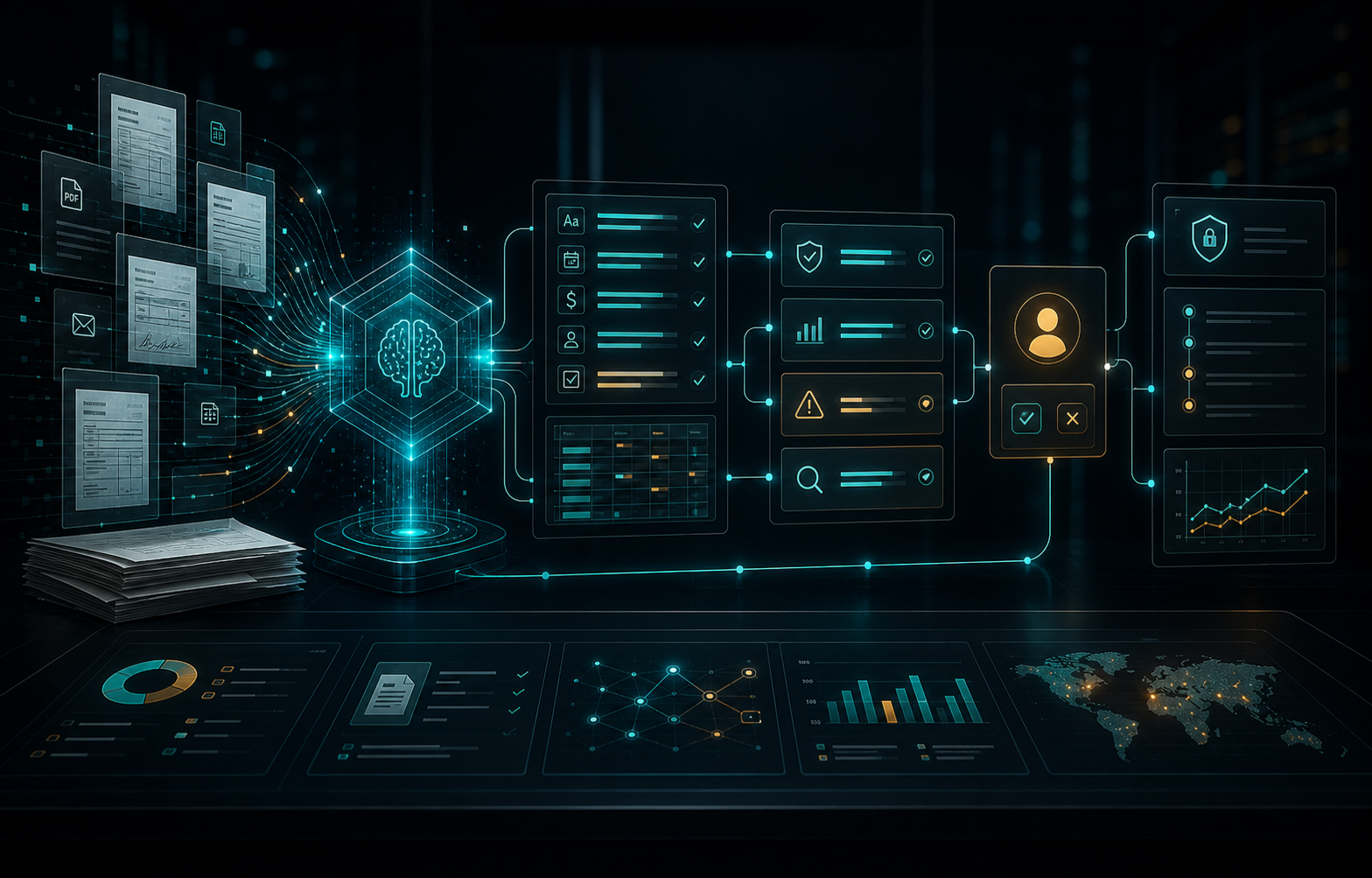
AI for document analysis: how to automate classification, extraction and quality control
How to use AI for document work without losing control over errors and accountability.
 AI / Strategy · 8 min
How to implement AI in a company without chaos: process, data, security and KPIs
A decision sequence that helps move from an AI idea to a production-ready implementation.
Frequently asked questions
How is RAG different from a regular chatbot?
RAG retrieves fragments from company sources and answers from them instead of relying only on the model general memory.
Can answers include citations?
Yes. Citations are key because they let users quickly check the document, version and answer context.
How do we protect documents with different access levels?
The index and application must respect user roles, document metadata and result filtering rules before sending context to the model.
What affects RAG quality?
Document quality, chunking, metadata, embeddings, retrieval method, prompt, query tests and regular index refreshes.
Is RAG suitable for legal or proposal documents?
Yes, if users see sources, document versions, answer limitations and know when expert verification is required.
Can answers be limited by department or user role?
Yes. Access should come from roles, metadata, document permissions and result filtering before context is passed to the model.
How often should the knowledge base be updated?
It depends on the pace of change. Procedures, offers and operational documents usually need regular refreshes and a content owner.
Let us discuss this implementation
Describe the process, system or idea. We will return with a concrete first-step recommendation.