
API, CRM and ERP integrations
An integration should remove manual data retyping, not create another hidden risk. That is why we design data ownership, validation, retries, logs and alerts.
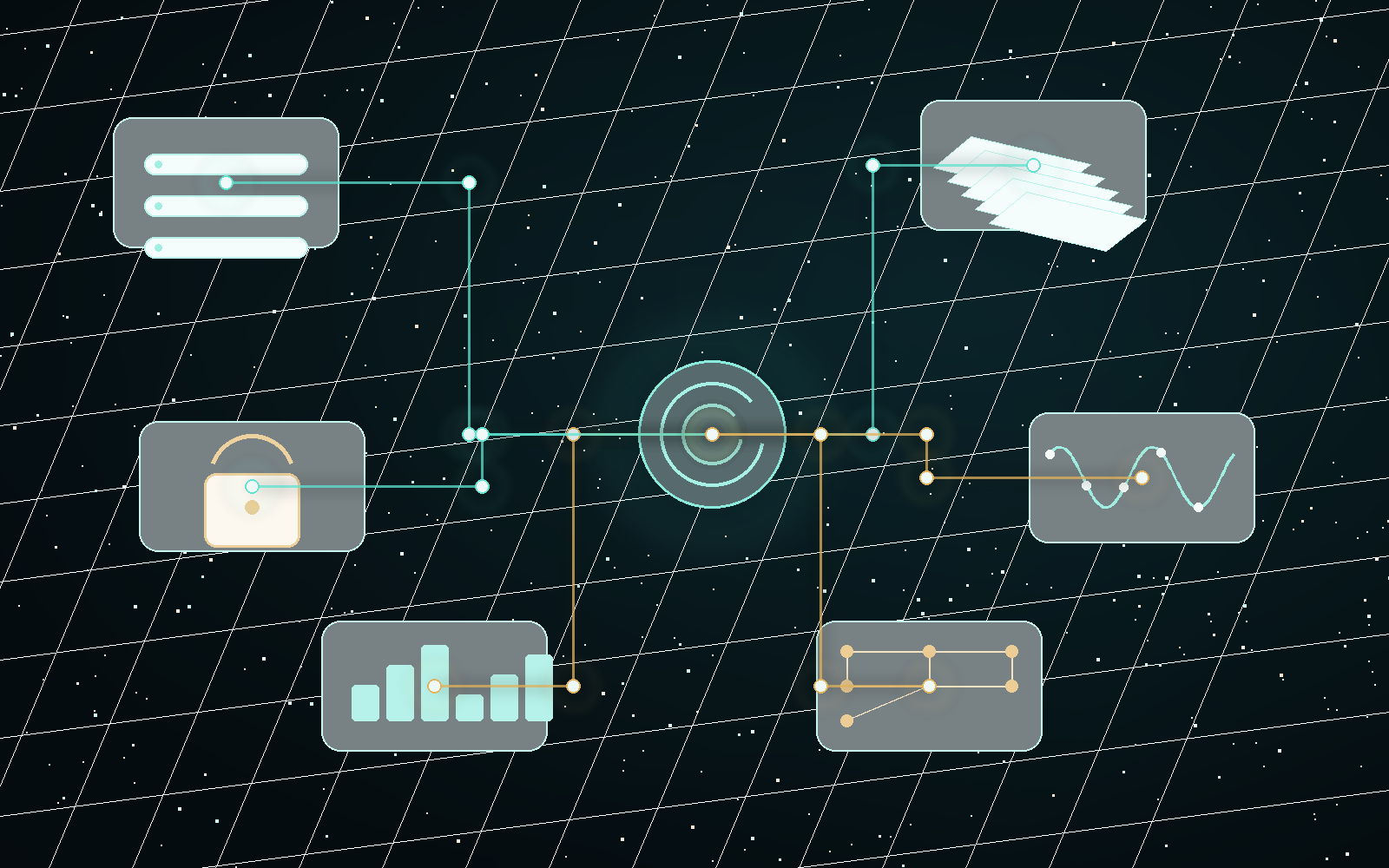
API, CRM and ERP integrations
Customer, order or document data differs between CRM, ERP, ecommerce, spreadsheets and team tools.
Employees manually copy information, increasing errors, delays and invisible exceptions.
Existing integrations lack logs, alerts and resilience to API limits, expired tokens and service outages.
Management reports do not match because each system defines status, customer, order or revenue differently.
One integration failure can stop the process, but the team learns about the error only from a customer or manual check.
The company plans automation or AI, but lacks a stable data flow between tools.
Technology with a business reason
- We define the source of truth, synchronization direction, conflict rules, data validation and system responsibilities.
- We build integrations with queues, retries, idempotency, monitoring, alerts and data quality controls.
- We design APIs and webhooks so they can support automation, reporting and AI agent actions without losing control.
- We document data contracts: fields, types, required values, update ownership and compatibility rules.
- We add integration observability so the team quickly knows what failed, which record is affected and how to repair it.
- We design integrations so they can evolve without rewriting the whole process after every API change.
What the scope can include
From first diagnosis to production growth. No unnecessary noise, with focus on results.
- 01 System map
- 02 Data contracts
- 03 Integration build
- 04 Resilience tests
- 05 Production monitoring
Production, not a demo
A stable integration assumes the API will sometimes fail. That is why it has queues, retries, logs, alerts, validation and a clear way to repair data after an error.
Related articles
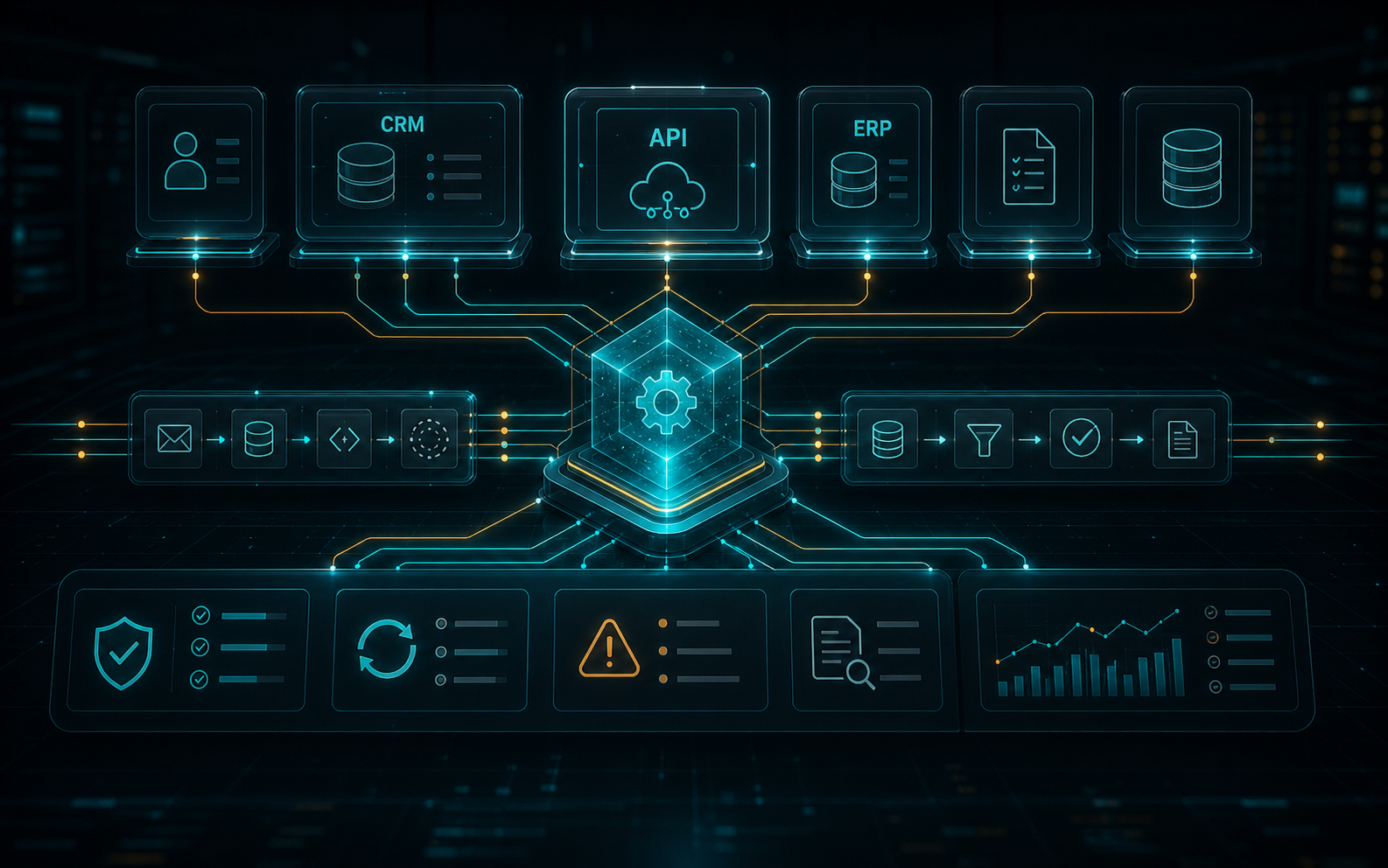 Integrations · 7 min
API, CRM and ERP integrations: how to connect systems without manual data retyping
How to design integrations that reduce errors, delays and dependence on manual work.
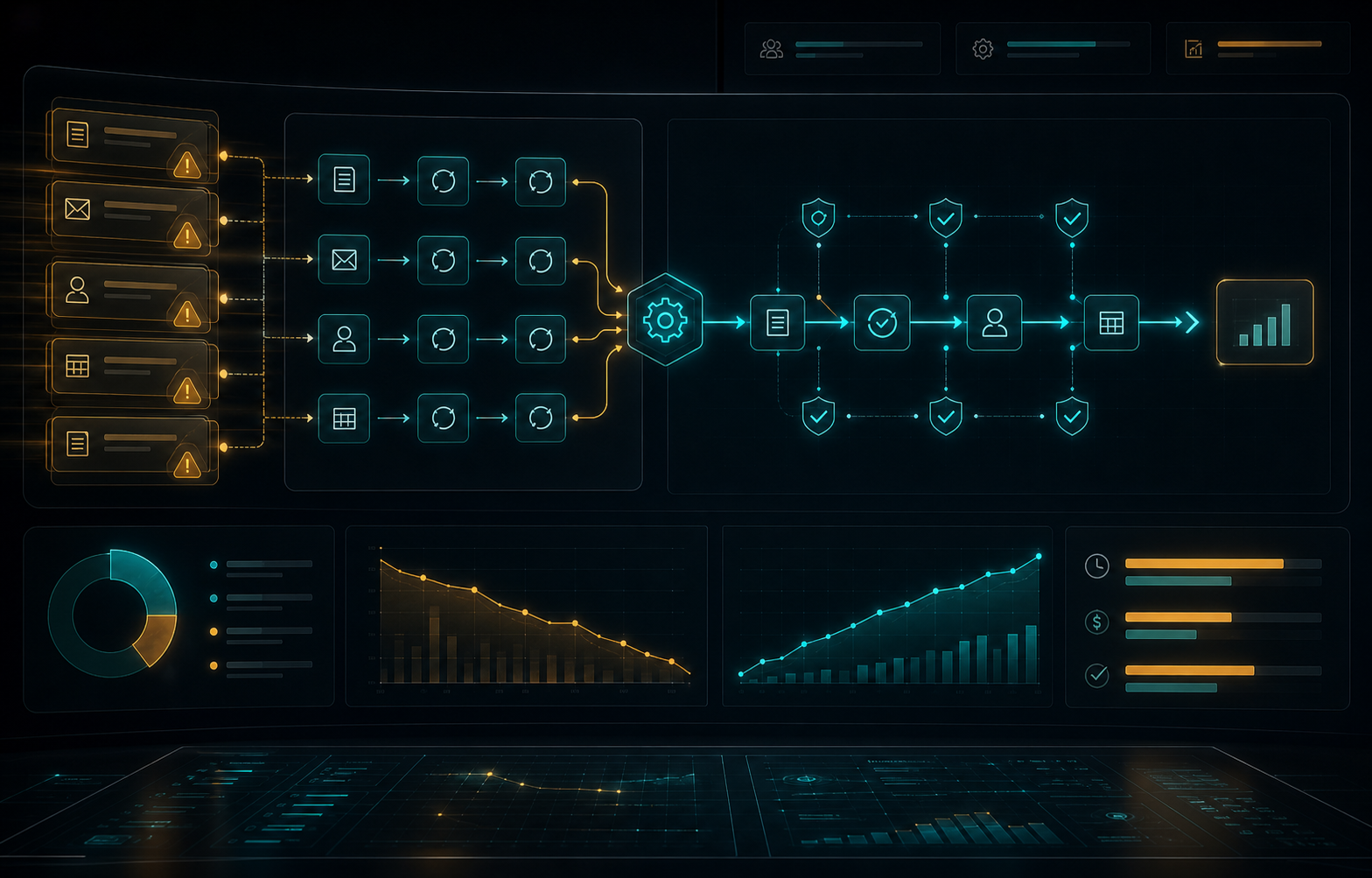 Automation · 7 min
Business process automation: how to find the first good use case
How to choose a process that brings quick impact and does not turn an automation pilot into an expensive experiment.
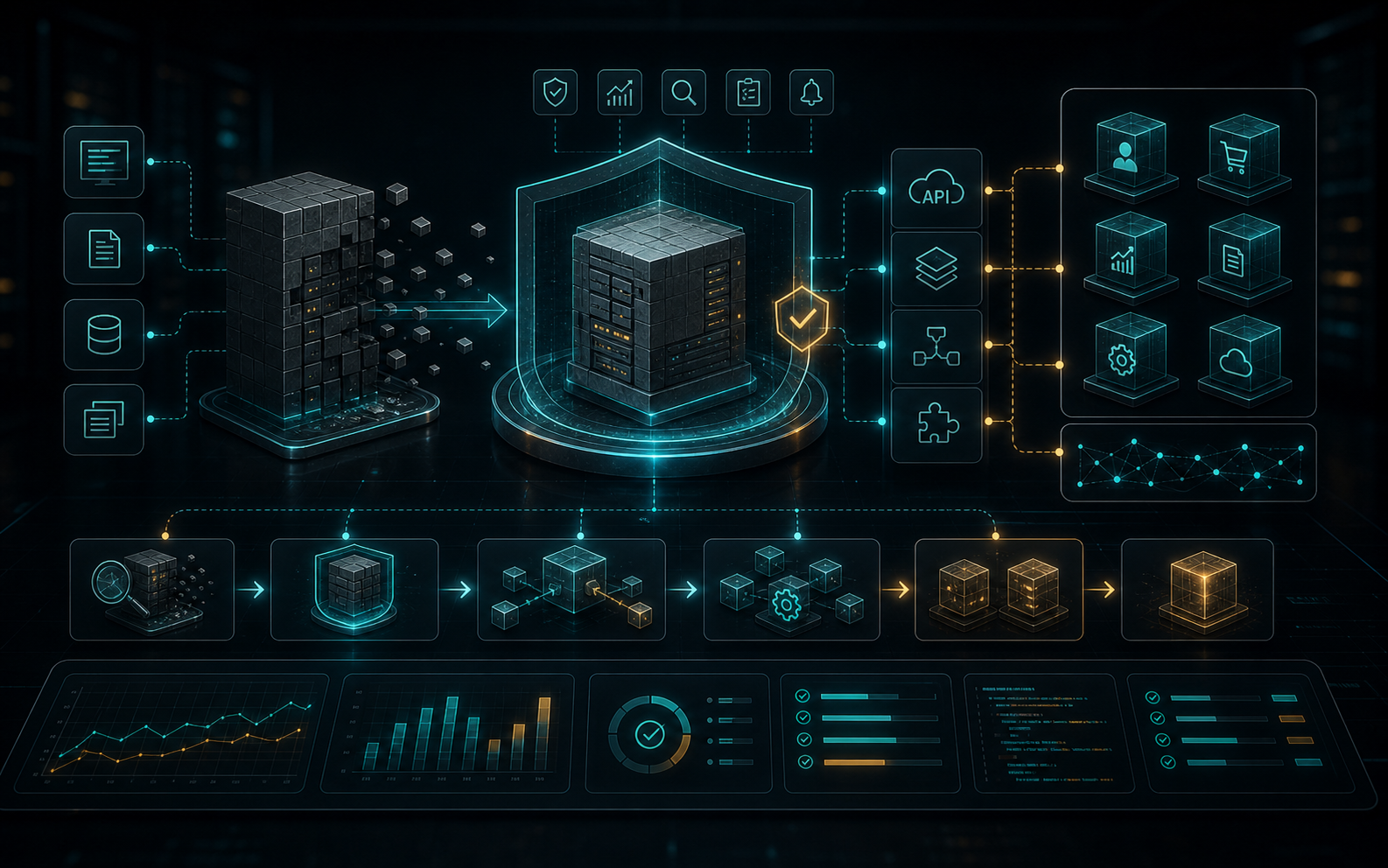 Modernization · 7 min
Legacy system modernization: how to evolve an old system without paralyzing operations
How to approach modernization step by step when a system is critical for daily operations.
Frequently asked questions
Can a legacy system be integrated without a full rebuild?
Often yes. An API layer, exports, queues or adapters can reduce the risk of changing the old system directly.
How do we avoid data conflicts between CRM and ERP?
Define the source of truth for each data type, synchronization direction, update rules and conflict handling.
What should a production API connection include?
Logs, retries, queues, idempotency, monitoring, alerts, data validation, secure secrets and contract tests.
Can integrations become a foundation for AI automation?
Yes, but the AI agent should use only limited, auditable actions, especially when changing CRM or ERP data.
Can an integration work in both directions?
Yes, but it needs clear conflict rules, data ownership, idempotency and control over cases where two systems change the same record.
What if a supplier API has limits or often fails?
We use queues, retries, rate limits, caching, alerts and reprocessing procedures so the process does not depend on one immediate API call.
Can we build an integration before a full data warehouse?
Yes. The operational flow and sources of truth can be organized first, with a data warehouse added when reporting needs it.
Let us discuss this implementation
Describe the process, system or idea. We will return with a concrete first-step recommendation.