Not every old system should be rewritten from scratch
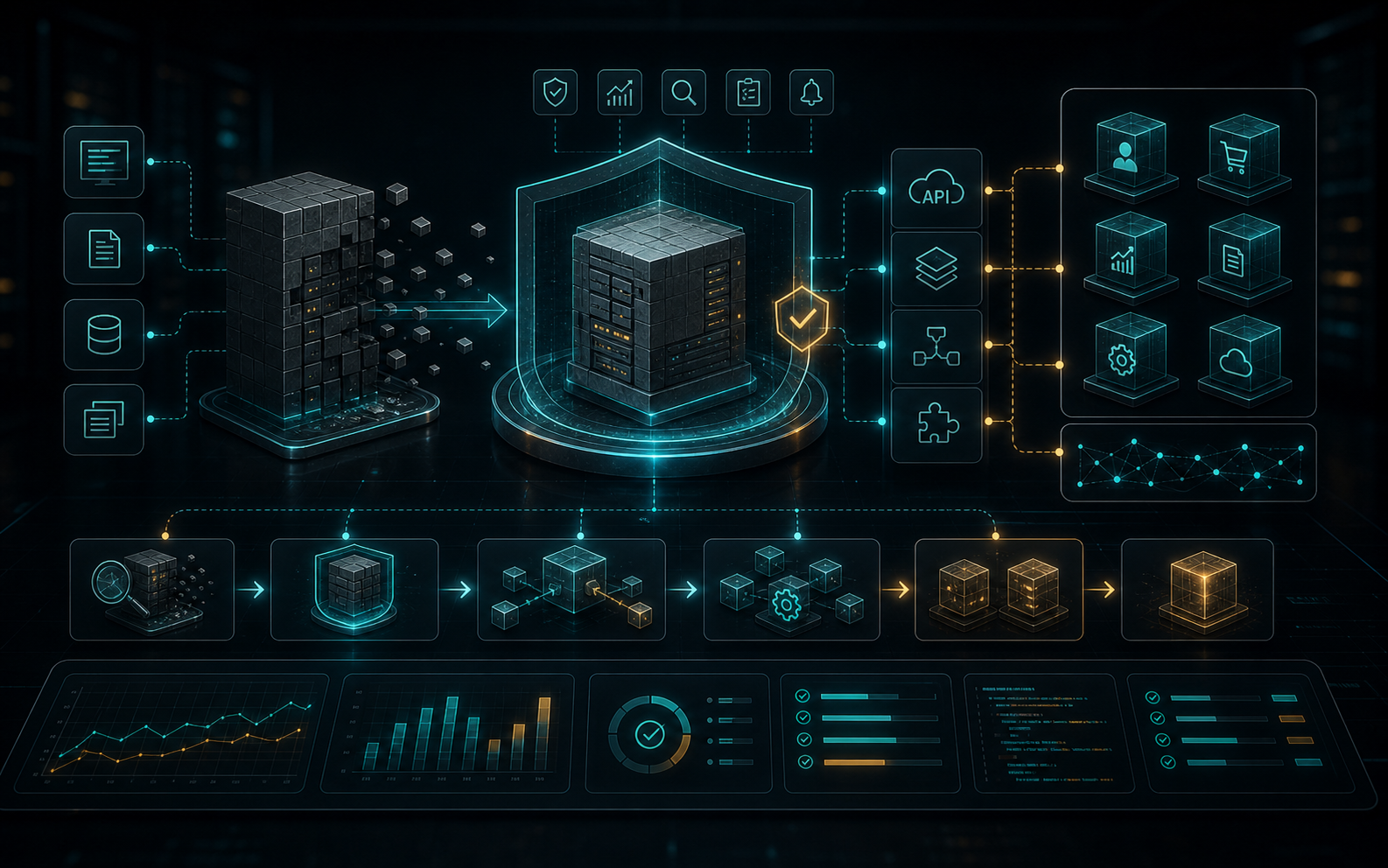
Rewriting a system from scratch sounds attractive, but it is often risky and expensive. A better approach is staged modernization: environment stabilization, backup, monitoring, data cleanup, API extraction, improvement of key modules and gradual replacement of parts.
Protect operations first
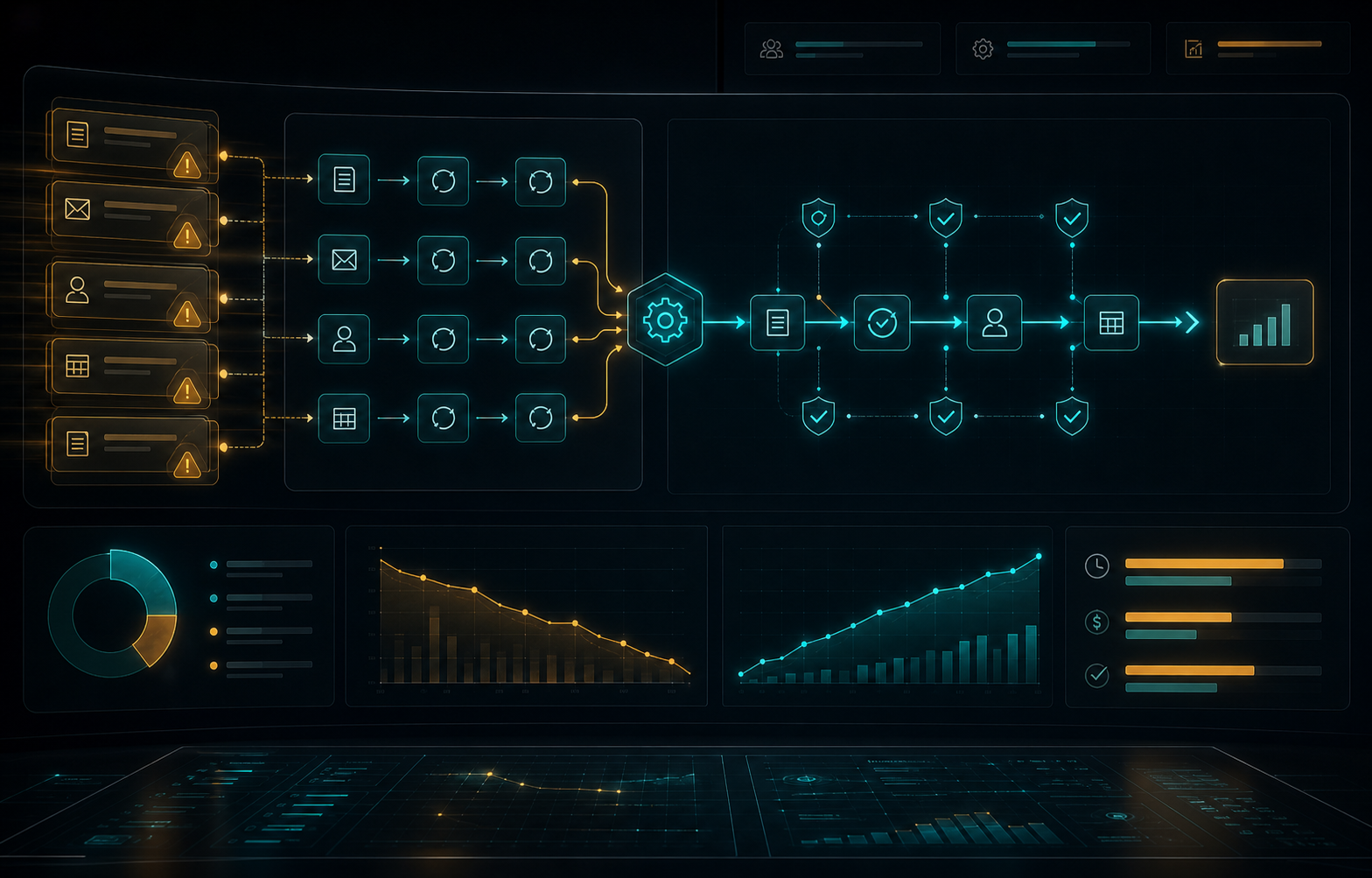
A legacy system often handles critical processes that cannot stop. That is why the first stage should reduce risk: documentation, regression tests, error monitoring, recovery plan and a clear deployment procedure. Only then is it worth accelerating new feature development.
Modernization can open the path to AI and automation
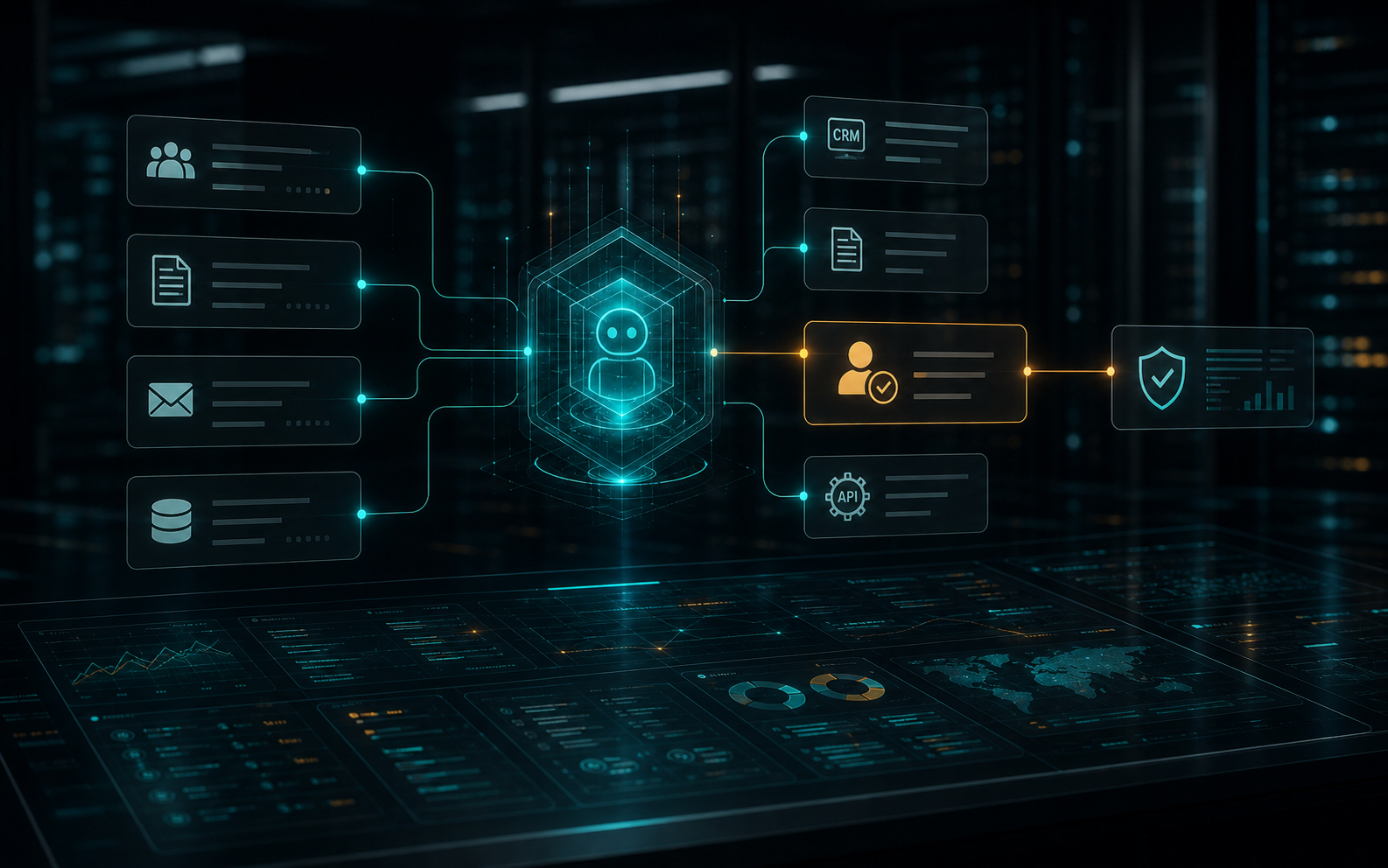
An old system often blocks automation because it lacks APIs, consistent data and a stable change process. After organizing integrations and data model, it becomes safer to add dashboards, reports, workflows or AI agents working on controlled sources.
First regain control over change
Modernization starts with the ability to make changes safely. Environments, backups, basic regression tests, change history and rollback procedure are needed. Without them, even a small fix in a legacy system can be treated as a risk to the whole company operation.
Not every module has the same priority
In old systems, separate critical parts, frequently changed parts, costly maintenance areas and modules that can stay unchanged. This keeps the company from rebuilding features that work well enough and focuses budget on places blocking sales, customer service or reporting.
Staged modernization reduces migration risk
Instead of one large system replacement, APIs can be extracted, data moved in batches, new panels built beside the old core and processes switched gradually. This approach measures impact, limits downtime and gives the team time to learn the new architecture without operational paralysis.