AI should be a process step, not a separate island
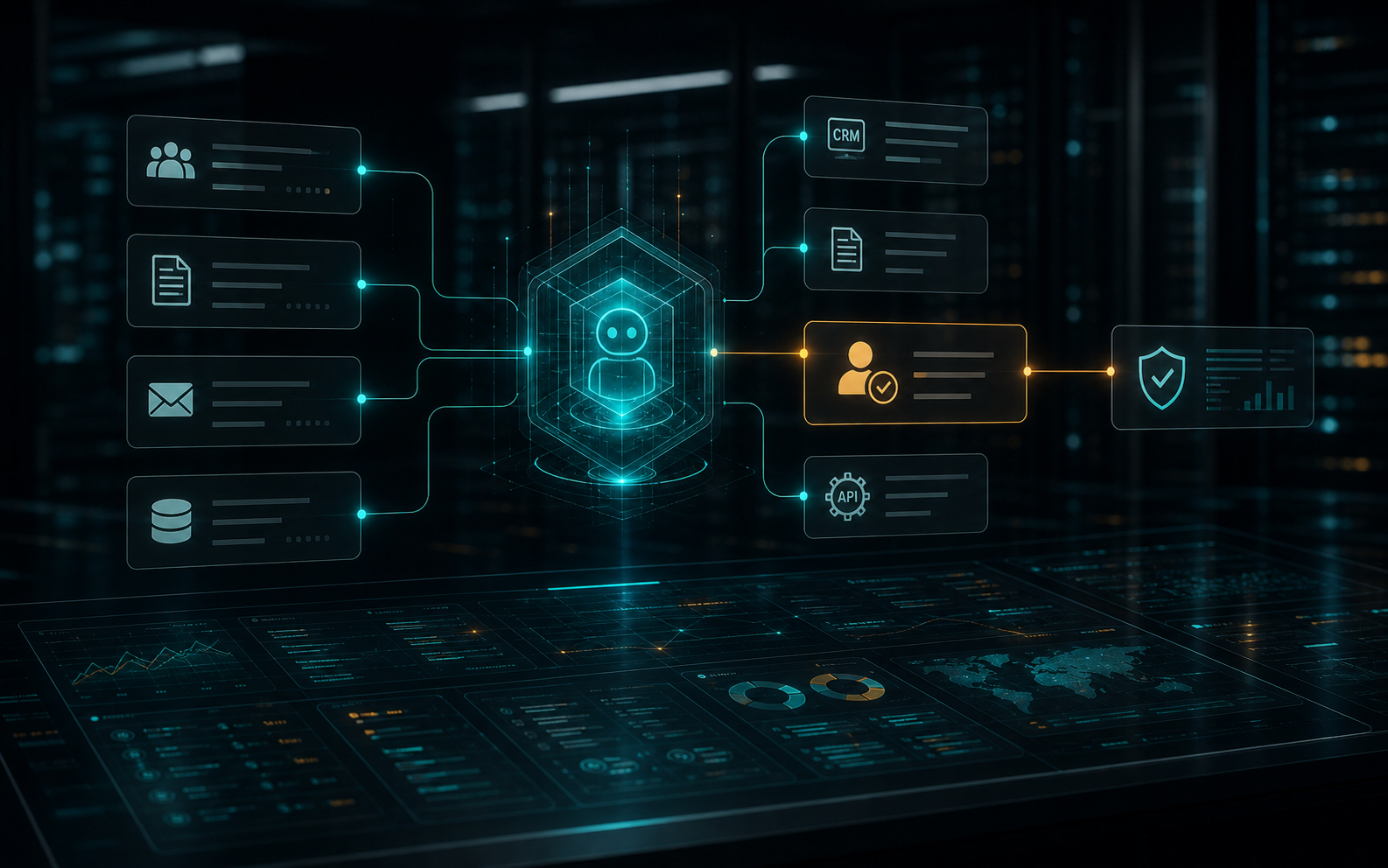
The strongest impact appears when AI works inside a workflow: receives an event, retrieves data, prepares a decision, asks for approval and writes the result into a system. A model alone does not change an organization. Change comes from a process connecting people, data and tools.
Human-in-the-loop is not a weakness
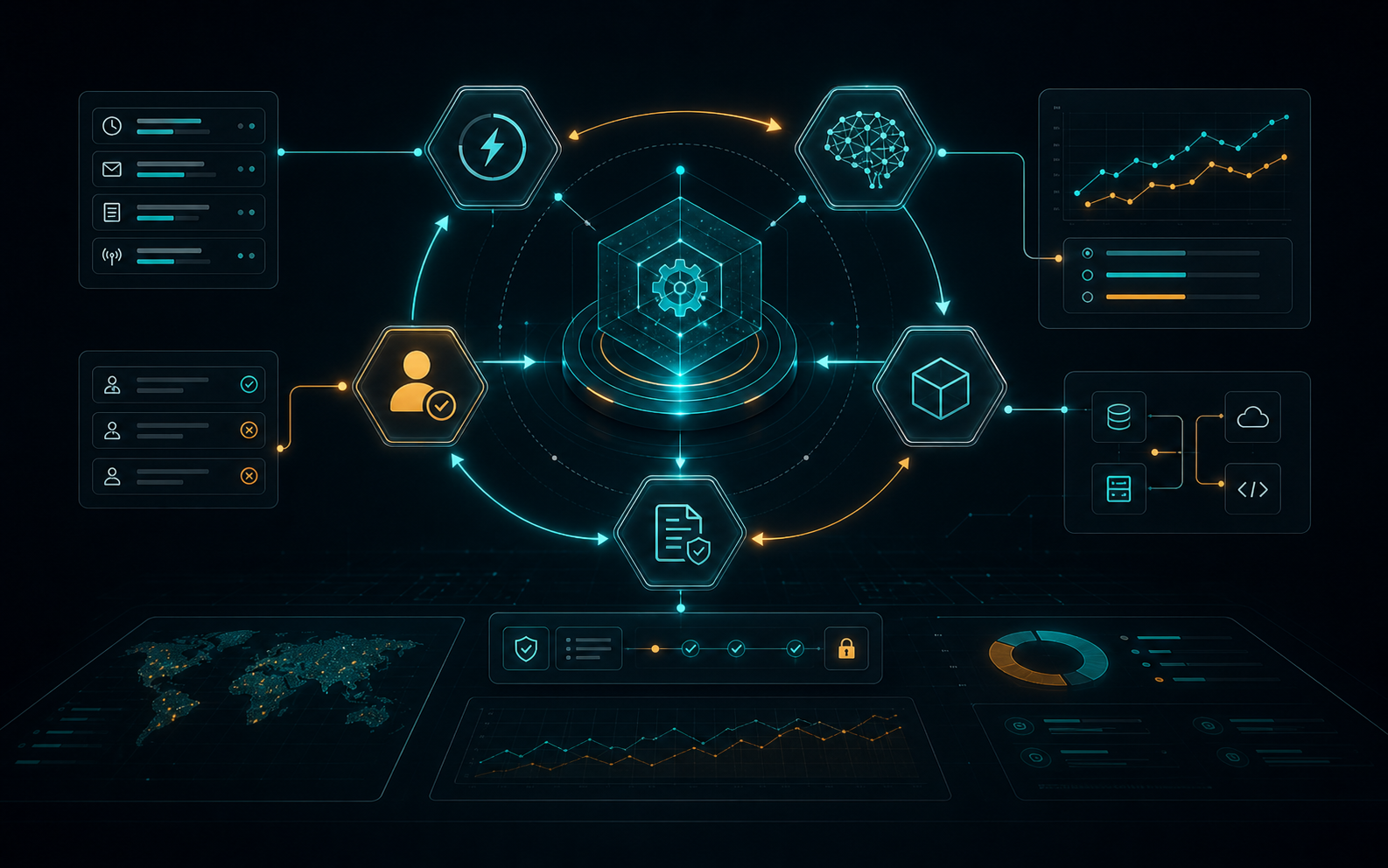
In many processes, a human should approve exceptions, cost decisions, customer communication or high-risk actions. A well-designed workflow shows the person context, AI recommendation and decision rationale. This lets the team work faster while keeping control.
Monitoring turns automation into a production system
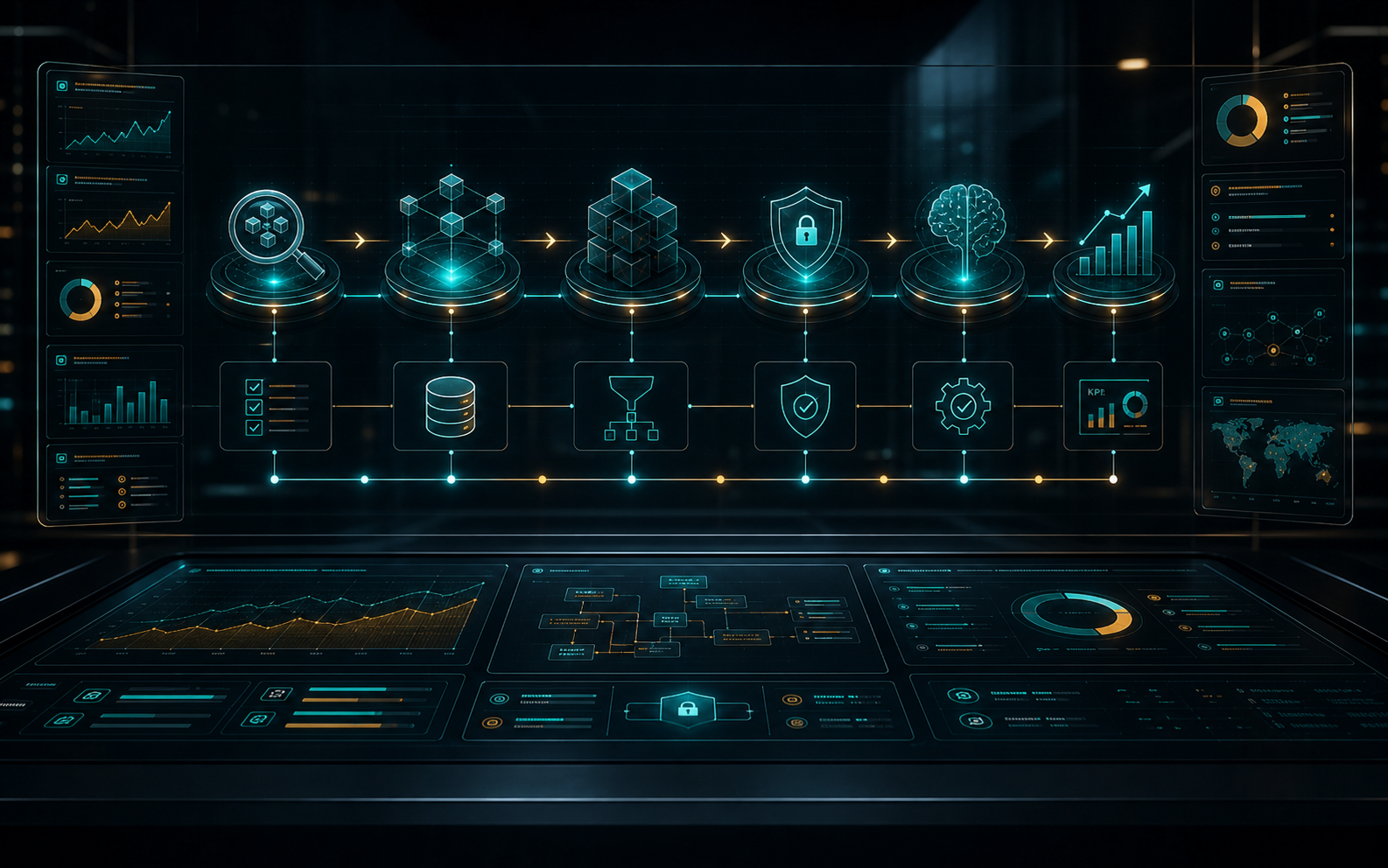
An AI workflow should report errors, delays, model costs, escalation rate and decision quality. Without monitoring, the organization does not know whether automation helps or just moves the problem elsewhere. Production needs metrics, alerts and regular case review.
A workflow needs clear states and owners
Every case should have a status, owner, start time, waiting time and escalation reason. AI can help with decisions, but the process must clearly show who owns the next step. Without this, automation speeds up individual actions but does not improve predictability of the whole workflow.
The best workflows combine rules, models and integrations
Not every step needs AI. Some decisions should come from simple rules, some from API data and some from text or document analysis. A good workflow uses a model where it improves decision quality, not where deterministic validation or ordinary data synchronization is enough.
The first automation needs a manual fallback
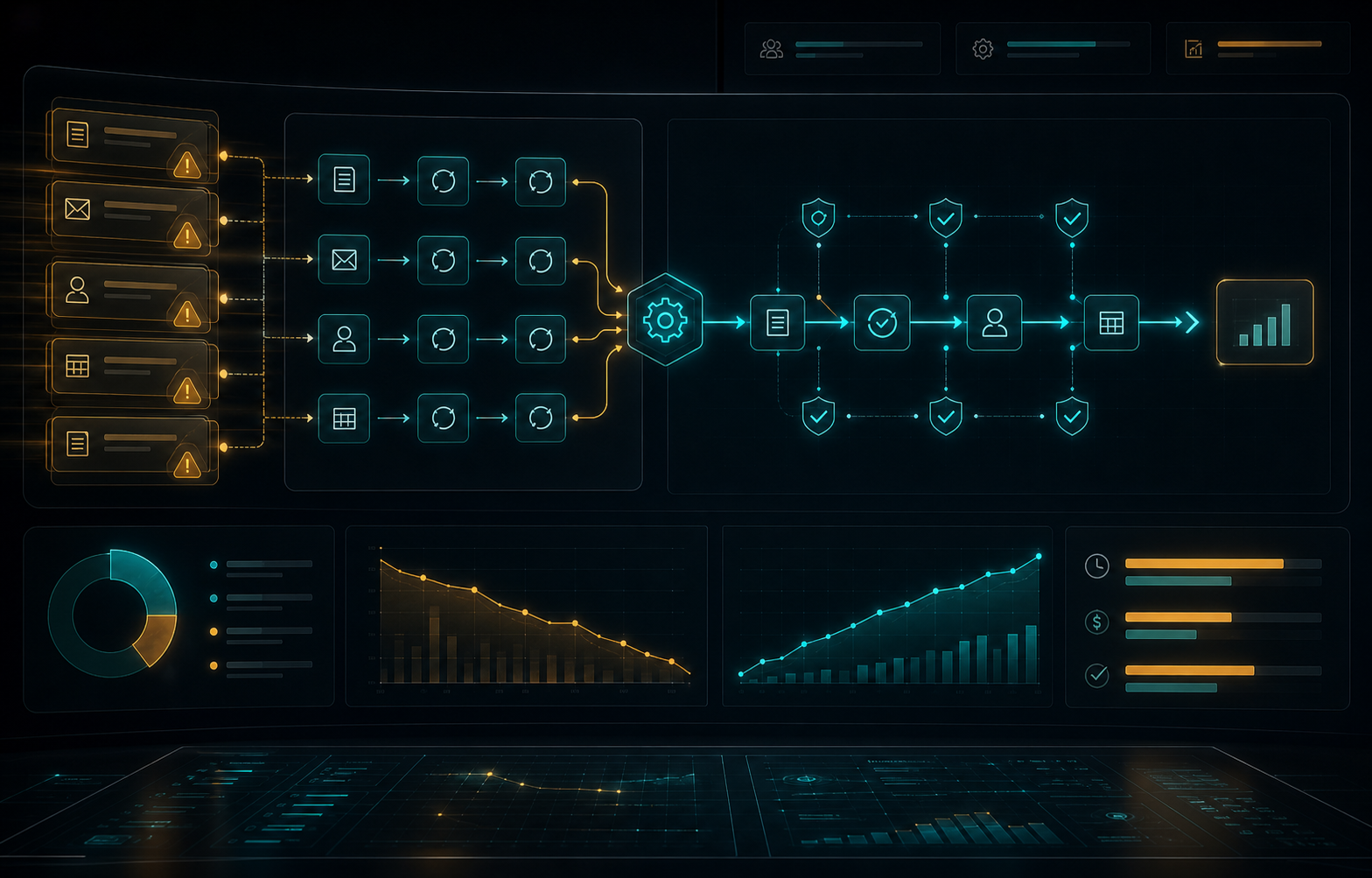
In production, wrong data, unavailable APIs, unusual documents and decisions the model should not make will happen. The workflow should allow automation to stop, a person to take over the case and the context to be reconstructed later. This fallback builds team trust in the implementation.