Code is only part of the picture
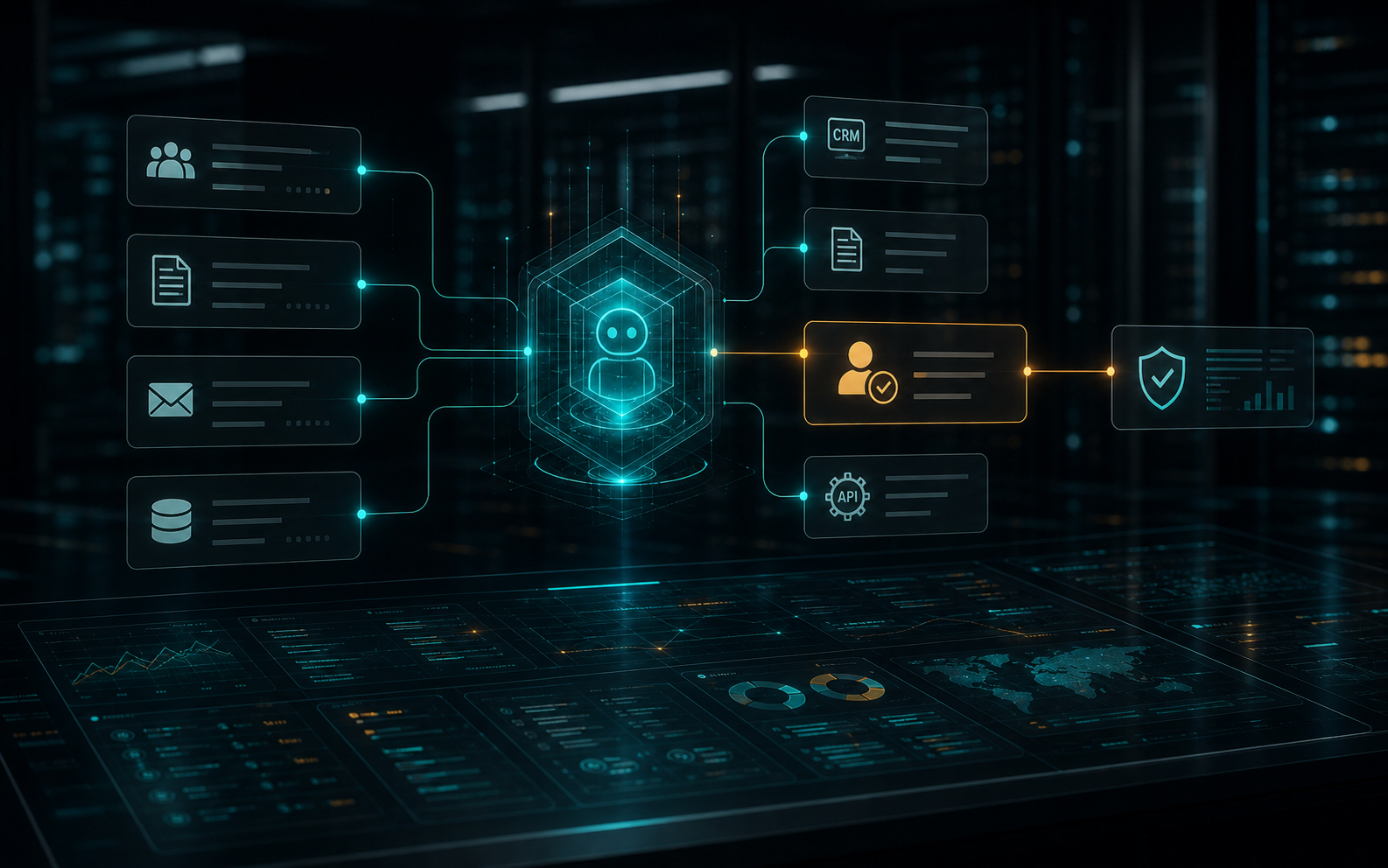
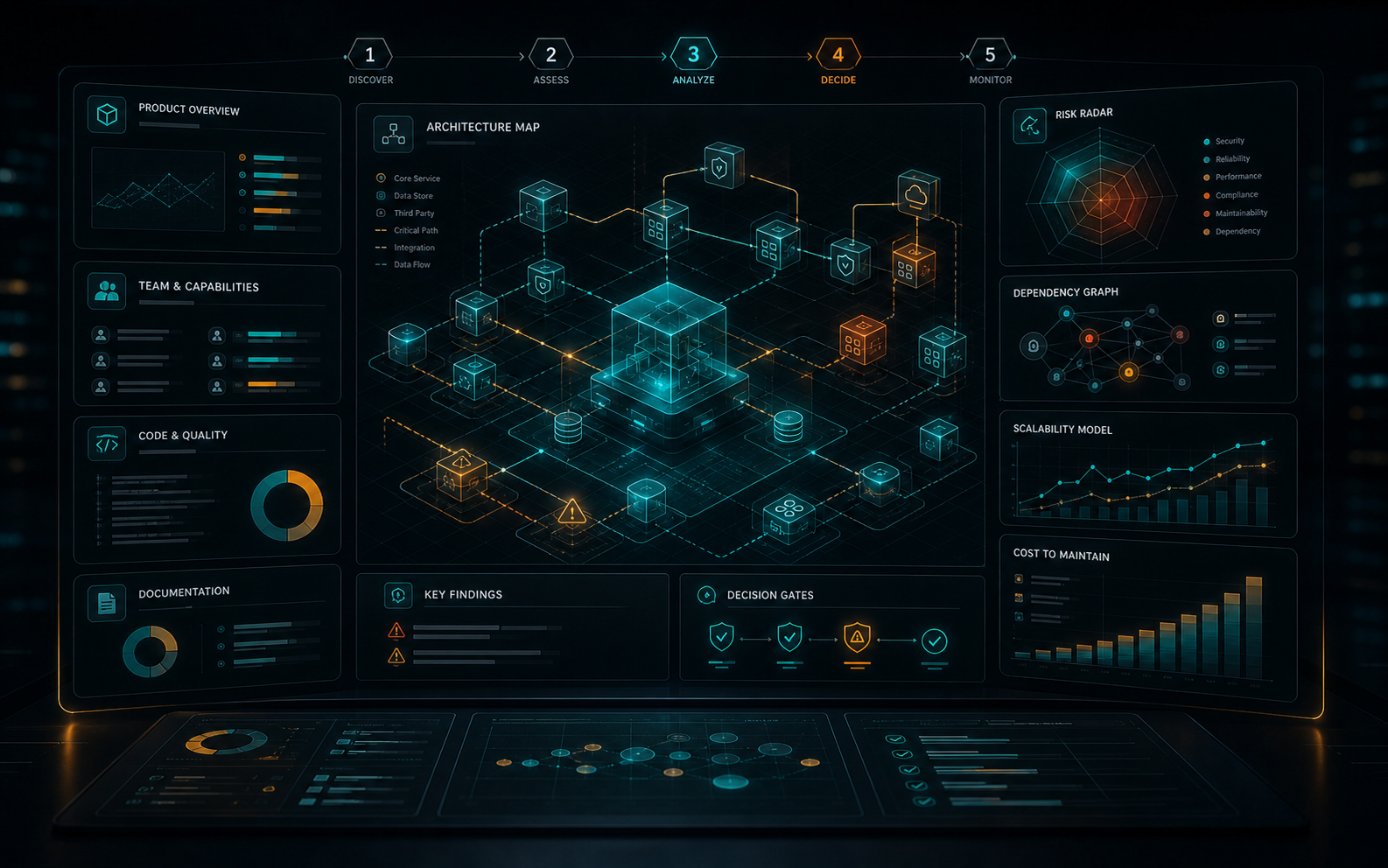
Due diligence should check not only code quality, but also architecture, data, security, deployment process, monitoring, documentation, vendor dependencies and team capabilities. A product may work today, but an investor also cares about scaling cost and maintenance risk.
The most important risks are invisible in a demo
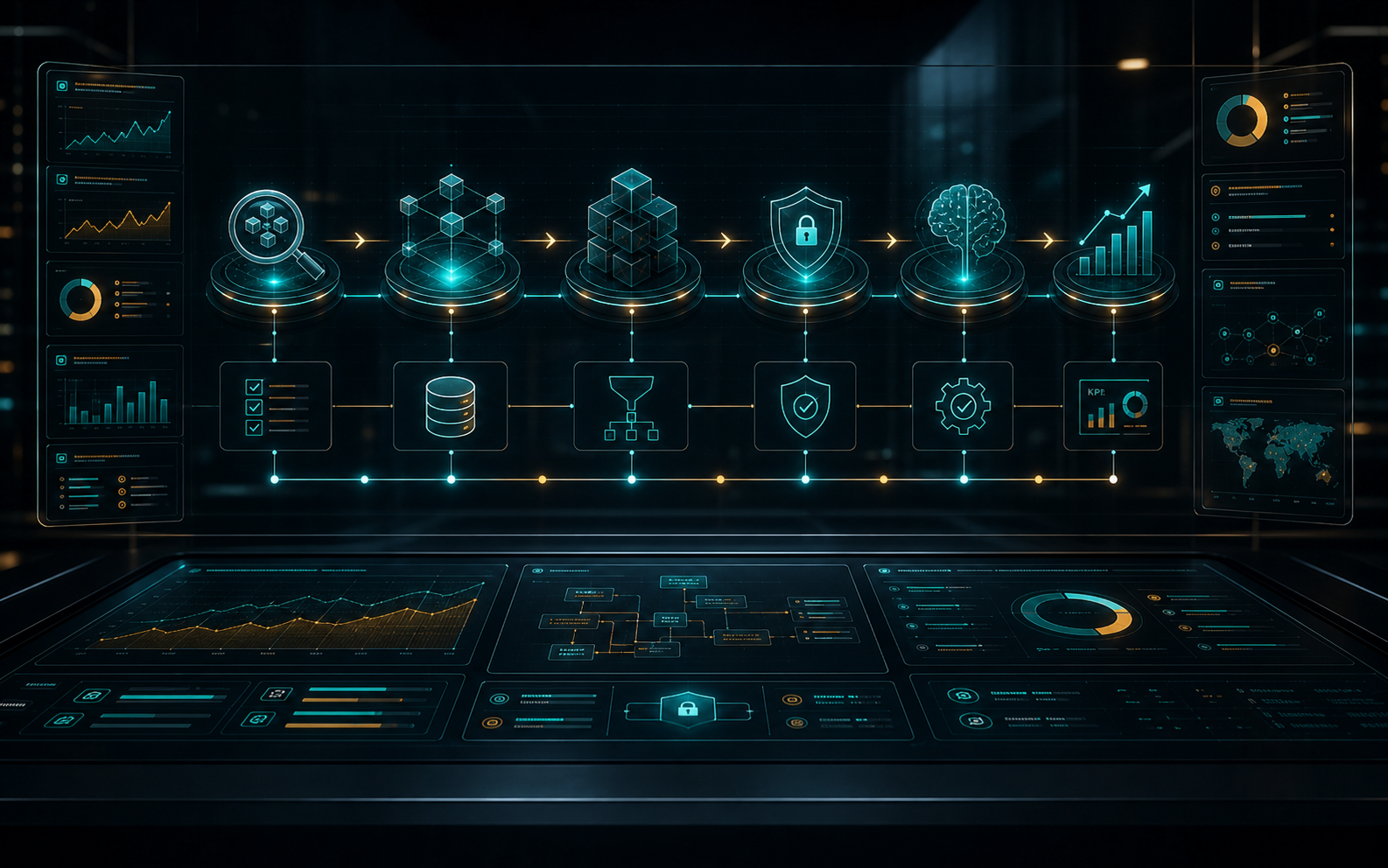
A demo will not reveal missing tests, architecture debt, data problems, manual deployments or one expert who knows the entire system. That is why the review should cover the repository, change history, incidents, technical backlog and team workflow.
A good outcome helps negotiate and plan
The goal is not to find perfect technology. The goal is to understand risk, cost and remediation plan. The report should support the investment decision, valuation, integration timeline and post-transaction priorities. Then technology becomes part of an informed business decision.
The review should cover the team ability to deliver
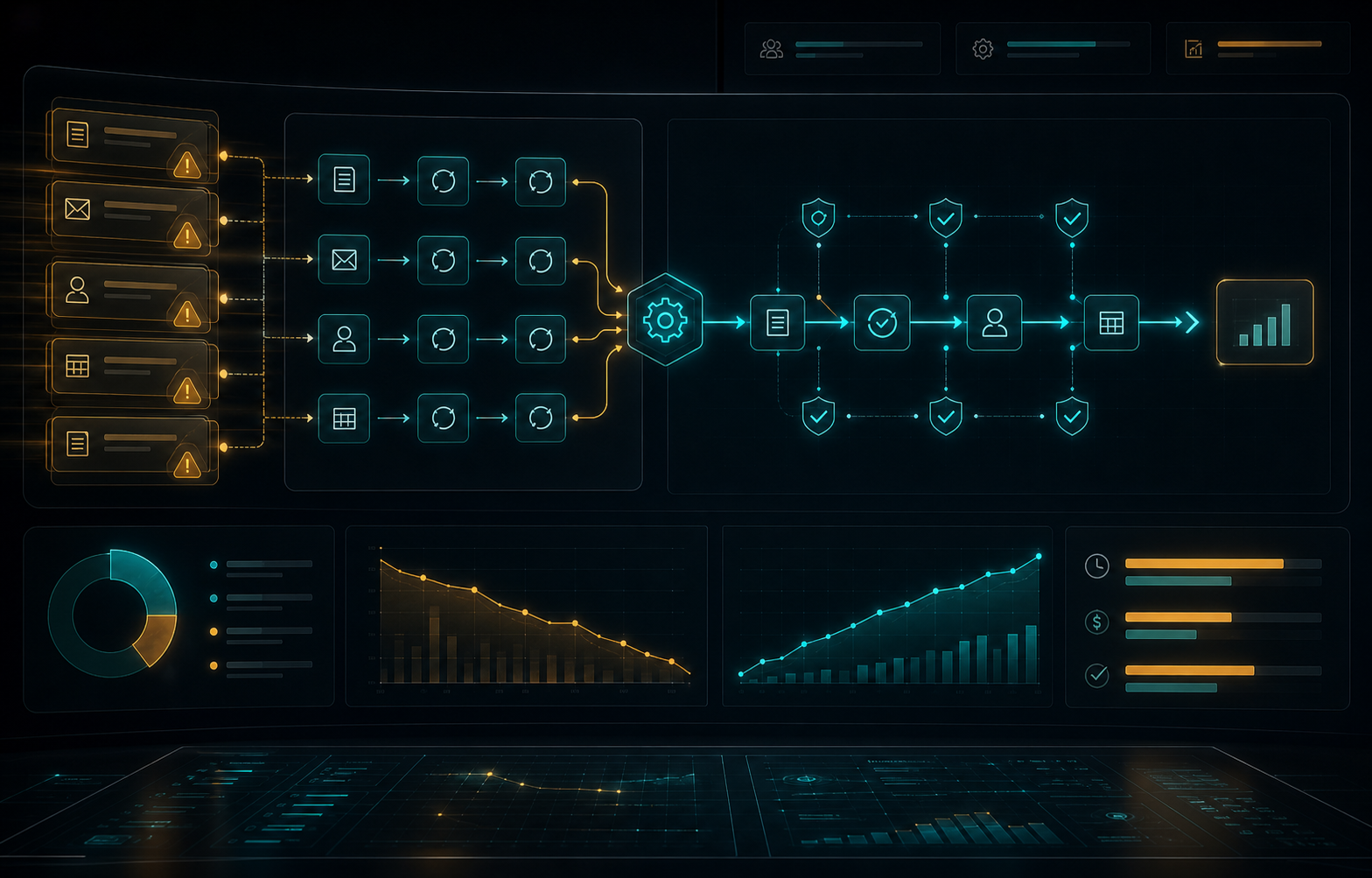
A product may have reasonable architecture and still be risky if the team lacks decision process, tests, code review, planning and incident response. Due diligence should check whether the organization can evolve the system predictably after investment or whether every larger step depends on improvisation.
Technology valuation depends on debt and dependencies
Technical debt does not always disqualify an investment, but it should affect price, timeline and post-transaction plan. If the product needs infrastructure rebuilding, replacement of a critical vendor or hiring missing skills, those costs must be visible before signing.
The report should support the first 100 days
The most useful due diligence shows what to do right after investment: which risks to close, which areas to leave unchanged, which skills to add and how to measure improvement. This keeps the report from staying in a transaction folder and turns it into an integration and product development plan.